Key Takeaway
Disney has entered a three-year partnership with OpenAI, backed by a USD 1 billion equity investment, allowing Sora and ChatGPT Images to generate AI videos and visuals featuring more than 200 officially licensed Disney, Marvel, Pixar, and Star Wars characters, while explicitly excluding talent likenesses and voices.
Disney & OpenAI Announce Deal – Key Points
- Three-year strategic partnership and equity investment
- On December 11, 2025, The Walt Disney Company announced a three-year agreement with OpenAI, alongside a USD 1 billion equity investment in the company.
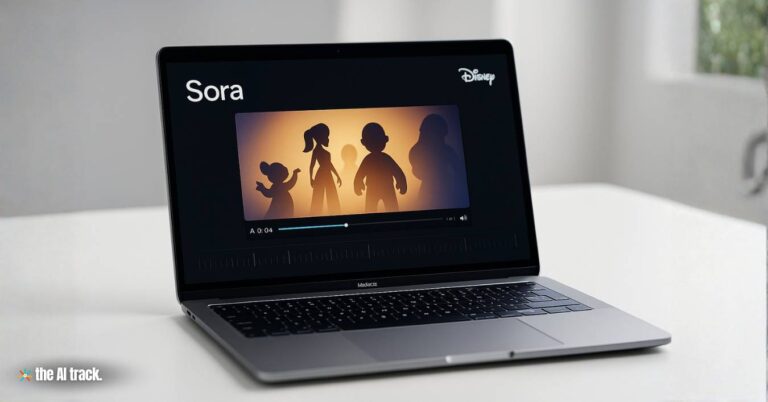
- The partnership grants OpenAI licensed access to Disney-owned characters for use in Sora, OpenAI’s AI video generation model launched in September 2025.
- The announcement was made by Disney and OpenAI simultaneously and reported by TechCrunch and The Verge on the same day.
- Scope of characters and IP included
- Users of Sora will be able to generate videos using more than 200 characters across Disney, Pixar, Marvel, and Lucasfilm franchises.
- Included characters span classic animation (Mickey Mouse, Cinderella, Ariel), Pixar properties (Toy Story, Up, Inside Out, Monsters, Inc.), and modern franchises such as Frozen, Moana, Encanto, and Zootopia.
- Marvel and Star Wars characters available in animated or illustrated form include Black Panther, Captain America, Deadpool, Groot, Iron Man, Darth Vader, Han Solo, and Stormtroopers.
- Integration with ChatGPT Images
- The agreement extends beyond Sora to ChatGPT Images, allowing users to generate static visuals of Disney characters via text prompts.
- This positions OpenAI’s creative tools as multi-format generators—video and image—using licensed entertainment IP.
- Disney confirmed that this access applies only to approved character representations and does not include actor likenesses or voice replication.
- Restrictions on talent likeness and voice
- Disney explicitly stated that the agreement does not permit the use of real actor likenesses or voices tied to its characters.
- This limitation directly addresses ongoing industry concerns around unauthorized voice cloning and digital replicas of performers.
- The restriction draws a clear boundary between character IP licensing and individual talent rights.
- Disney as a major OpenAI customer
- Beyond licensing, Disney will become a major OpenAI customer, using OpenAI APIs to build internal and consumer-facing products.
- Disney indicated these tools may be used to develop new digital experiences and products, including features connected to Disney+.
- The move signals Disney’s intention to operationalize generative AI across its media and streaming ecosystem, not just experimental use.
- Executive positioning and public statements
- Disney CEO Bob Iger described the partnership as a way to “extend the reach of storytelling through generative AI” while protecting creators and their work.
- OpenAI CEO Sam Altman called Disney “the global gold standard for storytelling” and framed the deal as a model for responsible collaboration between AI companies and creative industries.
- Both statements emphasize legitimacy, safety, and institutional cooperation rather than disruption.
- Contrast with Disney’s legal stance on generative AI
- The deal follows Disney’s aggressive legal actions against other AI platforms.
- In June 2025, Disney and Universal sued Midjourney for alleged copyright infringement related to character generation.
- In October 2025, Disney issued a cease-and-desist letter to Character.AI, forcing the removal of Disney characters from the platform.
- The OpenAI agreement highlights a selective strategy: enforcement against unlicensed use while partnering with platforms willing to license IP and accept constraints.
Why This Matters
This agreement marks one of the most significant licensed integrations between a major Hollywood studio and a generative AI company. It establishes a precedent for how entertainment IP can be used in AI-generated content through formal licensing, equity investment, and strict guardrails. The deal reshapes the debate around AI and copyright by demonstrating that large-scale generative AI adoption in media may depend less on litigation and more on structured partnerships between IP owners and AI platforms.
This article was drafted with the assistance of generative AI. All facts and details were reviewed and confirmed by an editor prior to publication.
Master the Camera Effects in AI Art technique: learn how specific film and camera types can transform your AI art into striking photorealistic masterpieces
Read a comprehensive monthly roundup of the latest AI news!