
OpenAI’s GPT-5 launch was plagued by several GPT-5 launch issues, including a misleading performance chart, a malfunctioning real-time router, and widespread user dissatisfaction. Despite these problems, CEO Sam Altman acknowledged the challenges, clarified the errors, and promised improvements in transparency and decision-making. In response to complaints, particularly from ChatGPT Plus subscribers, OpenAI reinstated access to GPT-4o and other legacy models, providing users with greater flexibility and control over their AI experience.
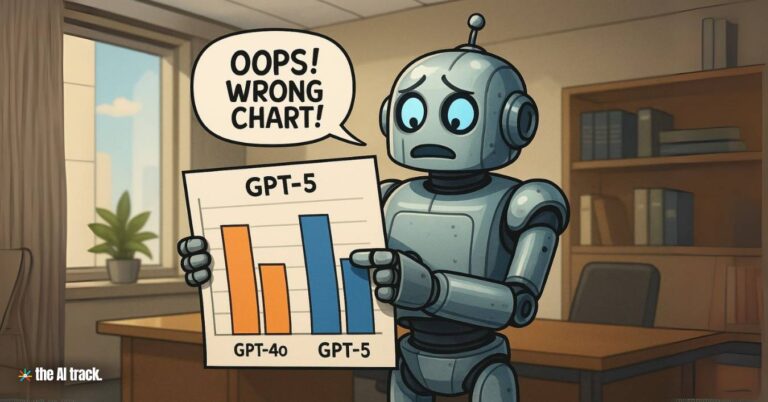
GPT-5 Launch Issues – Key Points
Launch Challenges and ‘Chart Crime’:
During GPT-5’s live-streamed launch on August 8, 2025, a chart displaying GPT-5’s accuracy was found to be misleading due to misaligned bars. Altman referred to the error as a “mega chart screwup” and clarified that the actual SWE-bench Verified data showed GPT-5’s accuracy at 74.9% with thinking mode and 52.8% without, compared to GPT-4o’s 30.8%. This error caused confusion and triggered jokes online, further tarnishing the GPT-5 launch issues and its reception.
- User Reactions: Thousands of Reddit users criticized GPT-5, with many expressing disappointment and frustration about the new model’s performance compared to GPT-4o.
Real-Time Router Failure:
A key feature of GPT-5 is its real-time router, which decides whether the model should answer immediately or take more time to think. However, this component malfunctioned during the launch, causing GPT-5 to provide inaccurate and lower-quality responses. Altman acknowledged that this malfunction made GPT-5 appear “way dumber” than it should have, sparking frustration among users who expected more reliable performance.
- Response: OpenAI promised updates to the decision boundary and clearer transparency regarding which model is responding to each query, addressing one of the significant GPT-5 launch issues.
User Complaints and GPT-4o Rollback:
The rollout of GPT-5 was met with backlash, particularly from ChatGPT Plus subscribers, who expressed dissatisfaction with the model’s tone and functionality. Complaints centered around slow and poor responses, as well as the loss of access to older models like GPT-4o.
In response, OpenAI decided to reinstate GPT-4o and other older models for Plus users. Altman confirmed that OpenAI was exploring the tradeoffs between models and would make decisions based on user feedback. Additionally, Plus subscribers were limited to 200 messages a week on the new GPT-5 “Thinking” model.
Other Issues and Developer Feedback:
Despite internal benchmarks showing GPT-5’s superiority in coding, real-world feedback revealed several flaws. Users posted examples of GPT-5 making basic errors in math, logic, and coding, and developers noted that GPT-5 struggled with some programming tasks.
GPT-5 lagged behind competitors, like Anthropic’s Claude Opus 4.1, in performing one-shot programming tasks, further highlighting the GPT-5 launch issues.
Security Vulnerabilities and Competition:
GPT-5 exhibited significant security vulnerabilities, including weaknesses to prompt injection and logic attacks, which were highlighted by security firm SPLX. OpenAI’s leadership in the AI space is being increasingly challenged by competitors like Google and Anthropic, with the pressure mounting to prove that GPT-5 is more than an incremental update.
- User Sentiment: Although OpenAI boasts 700 million weekly active users, competitors are gaining traction, offering models with unique capabilities that could surpass GPT-5’s features.
Scaling and Performance Limitations:
OpenAI faces growing challenges related to infrastructure as its user base expands. Power caps, rising token costs, and inference delays have impacted platform stability, with Altman noting that API traffic doubled within 24 hours after GPT-5’s launch.
These scaling GPT-5 launch issues, highlight the difficulties OpenAI faces in maintaining platform stability and meeting users’ high expectations.
Reddit Backlash and User Sentiment on GPT-5:
Users heavily criticized GPT-5, with some expressing emotional distress over the disappearance of GPT-4o’s more familiar and user-friendly responses. The term “lobotomized” was used to describe GPT-5’s tone, and some users even shed tears over the loss of the previous model.
- CEO’s Response: In the aftermath, Altman admitted that he underestimated how much users valued the characteristics of GPT-4o. He promised to improve user customization and personalization options for different models.
- Promise to Bring Back GPT-4o: Altman assured Reddit users that GPT-4o would be brought back for ChatGPT Plus users, with a focus on offering more customizable options for AI interactions.
Why This Matters:
The GPT-5 launch issues underscore the importance of thorough testing, transparency, and user-centric decision-making in AI model development. While GPT-5 introduces valuable new features, it also highlights the risks of overpromising and underdelivering in a highly competitive market. OpenAI’s ability to adapt to user feedback and adjust its models will be crucial in retaining its leadership position in the AI space. However, with growing competition and increasing user dissatisfaction, the company must address these concerns quickly to avoid losing its competitive edge.
GPT-5 launches with top scores, advanced health advice, and mental health safeguards — but early tests reveal factual mistakes.
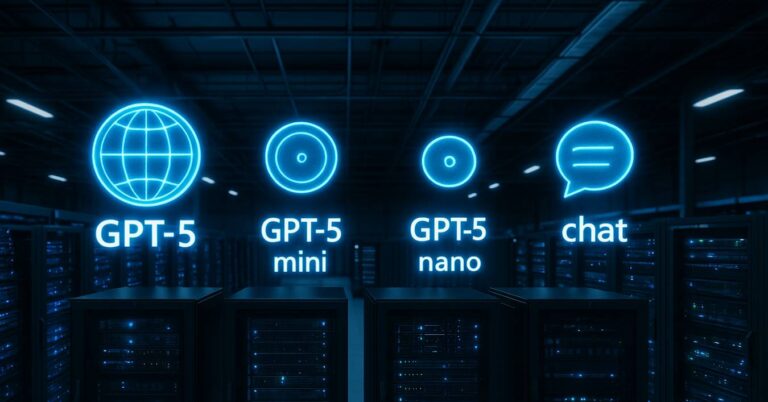
Microsoft integrates GPT-5 into Windows, 365 Copilot, GitHub, and Azure AI, adding Smart Mode, multiple model variants, and enterprise-grade governance.
Apple upgrades to GPT-5 in iOS 26, adding advanced Siri, video perception, live translation, and expanded AI tools with privacy protections.
Read a comprehensive monthly roundup of the latest AI news!