Perplexity AI Makes 34 Billion Bid for Google Chrome in an unsolicited all-cash offer backed by major investors including Jeff Bezos and Nvidia. The move, positioned as a potential antitrust remedy, comes at a decisive moment as US regulators weigh forcing Google to divest Chrome. The bid has ignited debate over valuation, regulatory feasibility, and its potential to reshape the AI and browser markets.
Perplexity AI Makes 34 Billion Bid for Chrome – Key Points
The Bid & Value Dispute
Perplexity AI Makes 34 Billion Bid for Google Chrome, targeting the browser’s ~68% global market share (Statcounter) and its base of 3B–3.5B users. Chrome, launched in 2008, is a core distribution channel for Google Search and a major data pipeline for its $2T advertising business.
The bid follows the US DOJ’s March 2025 proposal—after Google lost a 2024 antitrust case—that Chrome be divested to break its online search monopoly. DuckDuckGo CEO Gabriel Weinberg testified in April that Chrome could be worth $50B+, while some analysts place valuations between $20B–$300B+. Perplexity’s offer sits toward the lower end of that range.
Funding Status & Backers
The offer far exceeds Perplexity’s $18B July 2025 valuation and its total funding of ~$1.5B (PitchBook). The company says major VC funds will fully back the transaction, though no names have been publicly disclosed. Perplexity’s valuation rose from $14B earlier in 2025 after an additional $100M extension round. Samsung Electronics is close to a partnership that would put Perplexity’s search technology into Samsung devices.
Regulatory Backdrop
The DOJ’s case, initiated in 2020, accused Google of locking in default search deals with browser developers and device makers, unlawfully suppressing competition. US District Judge Amit Mehta ruled in 2024 that Google had illegally monopolized the search market.
Remedies under consideration include a full Chrome divestiture, which DOJ says would “permanently stop Google’s control of this critical search access point” and allow rivals equal opportunity. Google opposes a sale, with CEO Sundar Pichai testifying that it would harm innovation, privacy, and security, and has proposed narrower remedies such as ending exclusive deals with Apple, Mozilla, and Android manufacturers.
Google is also defending itself in a separate federal case over alleged adtech monopolization, where DOJ is seeking divestiture of two major ad products.
Public Pitch
Perplexity’s letter to Alphabet CEO Sundar Pichai describes the bid as “designed to satisfy an antitrust remedy in the highest public interest” by placing Chrome with a capable, independent operator. It pledges:
To keep Google as the default search engine in Chrome but allow easy user changes.
To maintain Chromium as fully open source and invest $3B into its development.
To preserve Chrome’s user defaults and avoid substituting Perplexity’s own AI search by default.
The company argues this approach would preserve continuity for billions of users while enhancing competition.
Industry Reaction
Heath Ahrens called the bid a “stunt” far below Chrome’s worth, suggesting only a tripled offer from Sam Altman or Elon Musk could secure dominance. Tomasz Tunguz valued Chrome at 10x the offer. Some see Perplexity’s timing as strategic—if the DOJ mandates a sale, the company could secure Chrome at a comparative bargain.
Perplexity’s Position in AI & Competitive Landscape
Perplexity’s core product is a real-time AI search engine with source citations, now serving ~30M monthly active users and generating ~$150M annual revenue. It partners with publishers including Time, the Los Angeles Times, and Fortune, and supports multiple AI models (GPT-5, Google’s Gemini 2.5 Pro, Claude Sonnet 4.0) for varied queries.
In July 2025, Perplexity launched Comet, an AI-native browser described by Srinivas as a “cognitive operating system,” capable of summarizing pages, managing tabs, answering content-based questions, and automating tasks like scheduling and online shopping. Its hybrid AI design combines local processing for privacy-sensitive operations with cloud-based large models for complex tasks.
Perplexity competes with Google’s Gemini, OpenAI’s ChatGPT, Meta’s AI offerings, and other challengers in an industry where big tech spends tens of billions annually on AI infrastructure while start-ups raise capital to fund model training and deployment.
Past Acquisition Attempts & Corporate Moves
Perplexity explored a potential sale to Meta in early 2025 without reaching a deal. In January 2025, it proposed merging with TikTok’s US unit (valued up to $50B) amid a looming Congressional ban unless ByteDance divested—an effort that has not advanced. Earlier in 2025, Perplexity faced a BBC legal complaint for allegedly reproducing content without permission.
Why This Matters:
Perplexity AI Makes 34 Billion Bid for Google Chrome at a moment of rare regulatory vulnerability for Google, combining aggressive AI expansion with a chance to acquire the world’s most popular browser. Success could give Perplexity control of a platform on over 60% of devices worldwide, profoundly shifting dynamics in search, advertising, and browser technology. Even without success, the bid keeps pressure on Google during a pivotal antitrust battle.
This article was drafted with the assistance of generative AI. All facts and details were reviewed and confirmed by an editor prior to publication.
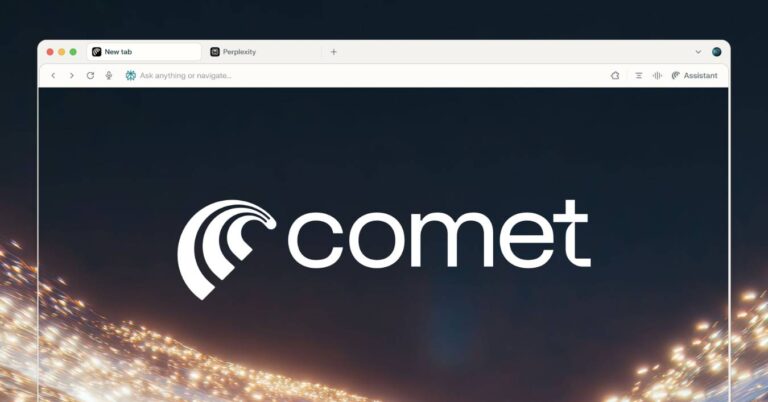
Perplexity’s Comet browser blends AI search, tab summarization, and task execution into one agentic interface—now in beta for Windows and Mac.
Read a comprehensive monthly roundup of the latest AI news!