Key Takeaway:
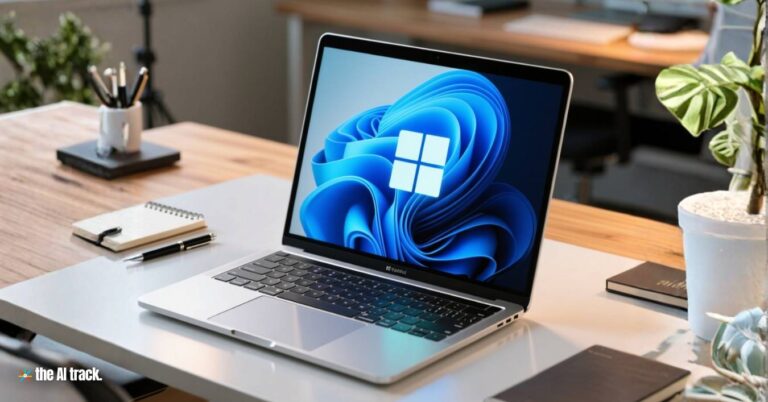
Microsoft is rolling out advanced Copilot features (Voice, Vision, and Actions) to all Windows 11 PCs, moving beyond premium devices and signaling its intent to make AI a core operating system layer after the end of Windows 10 support on October 14, 2025. Rollout begins October 2025 and continues in the coming months, with opt-in controls and permission prompts.
Windows 11 to Integrate Advanced AI Tools – Key Points
Voice Control Comes to All Windows 11 PCs
Starting in late 2025, Windows 11 users will be able to activate Copilot by saying “Hey, Copilot.” This marks Microsoft’s push to make voice the third primary PC input, alongside keyboard and mouse. Yusuf Mehdi (EVP & CMO, Consumer) emphasized that people engage twice as much with Copilot when using voice over typing, citing dictation, transcription, and note-taking as key use cases. Microsoft is pairing the feature with a global ad campaign to normalize voice interaction on PCs, coinciding with Windows 10 EOS.
Copilot Vision Broadens AI Screen Context
Copilot Vision, previously limited to Copilot+ PCs with NPUs, will now extend to all Windows 11 devices. It enables AI to “see” the user’s screen (with permission), offering contextual help such as finding features in Word, Excel, or PowerPoint, guiding through tasks in third-party apps, and providing “Highlights” step-by-step tutorials triggered by prompts like “show me how.” Gaming Copilot brings similar assistance into games on PC and supported handhelds.
Copilot Actions Enable Direct Execution
Copilot Actions—previously enterprise-only (Microsoft 365 Copilot since 2024)—will be rolled out broadly to consumers, allowing users to execute commands in apps and the OS directly through natural language (e.g., enabling Photoshop settings, batch-editing photos, extracting data from large PDFs). Microsoft also previewed Connectors, enabling Copilot to act on local and third-party apps (e.g., OneDrive, Gmail, Google Calendar) from within the Copilot app, with user-granted permissions and scoped access. Early agentic scenarios include desktop tasks such as reservations or orders.
Integration vs. Exclusivity
While Copilot Vision and Actions expand across all PCs, some capabilities such as Recall and Click to Do remain exclusive to Copilot+ PCs with NPUs. Microsoft positions these as parallel, not replacement, experiences; Recall’s privacy-criticized “photographic memory” remains gated to specific hardware.
Strategic Timing with Windows 10 Support Ending
The rollout coincides with the end of Windows 10 free security support on October 14, 2025, pushing users toward upgrading. Microsoft offers Extended Security Updates (ESU) for Windows 10 through October 2026 (generally paid), with free ESU availability for some users in the EU and certain cloud-synced scenarios in the U.S., as reported by multiple outlets. Consumer advocates warn of cyber-risk for holdouts and potential e-waste from device turnover: Brenna Stevens (Oregon State PIRG) highlights the security trade-off for non-upgraders, while Nathan Proctor (PIRG Right to Repair) flags environmental impacts and urges reuse over landfilling.
Competitive Landscape
Microsoft’s Copilot Actions resemble Apple’s Spotlight Actions in macOS Tahoe, but the ambition is broader: transforming Copilot into Windows’ primary interface layer. For now, it remains an opt-in assistant accessible via voice or the Taskbar search bar, but integration depth and the new ad push suggest a shift toward AI-first computing across everyday workflows.
Why This Matters:
This rollout marks a major milestone in Microsoft’s AI strategy, embedding Copilot as a universal feature of Windows 11. By aligning releases with the retirement of Windows 10 and by offering ESU options, Microsoft positions AI as both a differentiator and a migration catalyst. The move escalates competition with Apple and Google and accelerates a shift toward voice-driven, agentic, AI-mediated computing where assistants proactively manage tasks, apps, and workflows—within explicit permission boundaries. It also surfaces policy and sustainability questions around long-lived device support, security for holdouts, and mitigation of potential e-waste.
This article was drafted with the assistance of generative AI. All facts and details were reviewed and confirmed by an editor prior to publication.
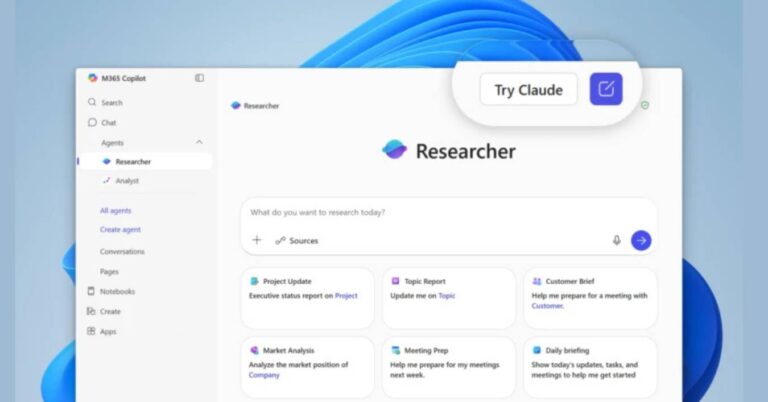
Microsoft Adds Anthropic for Researcher and Copilot Studio, integrating Claude Sonnet 4 and Opus 4.1 while OpenAI remains default in Microsoft 365 Copilot.
Read a comprehensive monthly roundup of the latest AI news!