Key Takeaway:
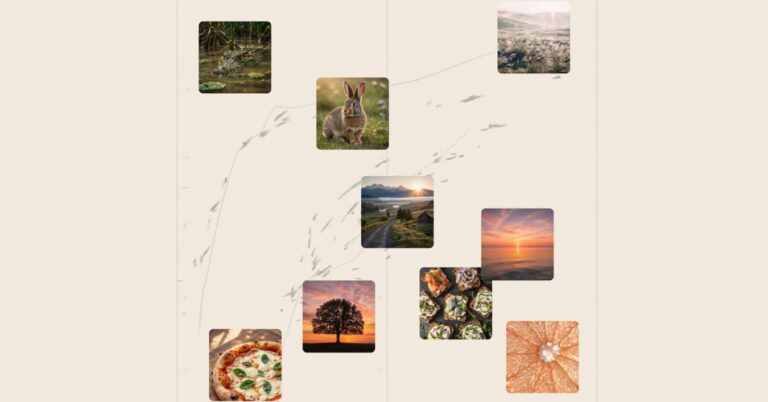
On October 15, 2025, Microsoft AI introduced MAI-Image-1, its first fully in-house developed text-to-image model. The launch signals a decisive shift away from third-party systems, positioning Microsoft as a direct competitor in the generative image market. The model debuted at No. 9 on the LMArena leaderboard, where the public can already test it, and is slated for rollout across Copilot and Bing Image Creator. Unlike flashy demo models, Microsoft is pitching MAI-Image-1 as a practical, fast, and reliable image generator for real-world creative use.
Microsoft AI Debuts MAI-Image-1 – Key Points
First In-House Image Model
MAI-Image-1 is Microsoft’s first internally built image generator, following the release of MAI-Voice-1 (speech generation) and MAI-1-preview (large-language model) in August 2025. Together, these represent a deliberate push toward a self-developed multimodal AI stack that spans text, speech, and images.
Strong Performance Benchmark
At launch, MAI-Image-1 ranked No. 9 on the LMArena text-to-image leaderboard, a public, crowdsourced benchmarking platform. This early placement provides immediate credibility and competitive positioning against major rivals including Stable Diffusion, MidJourney, OpenAI’s DALL·E-3, and Google’s Gemini-powered Nano Banana, which has recently dominated the AI image generation market.
Technical Strengths
The model excels in photorealistic production values, delivering cleaner reflections, natural lighting, and strong scenic imagery. Microsoft emphasized its speed-quality balance, enabling rapid iteration without sacrificing fidelity. This helps users avoid the “AI-style” clichés common in competing models, reducing cleanup work and accelerating creative pipelines such as mood boards, presentations, and location mockups.
Training Approach
Development involved curated training data and direct input from professional creatives, ensuring the model aligns with how artists, designers, and businesses actually use AI imagery. The goal was to prioritize useful, versatile outputs over stylized or repetitive visuals, giving users a broader creative range.
Public Testing Access
MAI-Image-1 is currently available for public testing on LMArena, with two modes:
Direct Chat: generate outputs directly from prompts.
Side-by-Side Comparison: test MAI-Image-1 against rivals like DALL·E-3.
This interactive phase lets Microsoft gather insights and refine performance ahead of its full integration into products.
Upcoming Integration
The model will soon roll out across Microsoft Copilot and Bing Image Creator, extending proprietary image generation to billions of users worldwide. The company aims for prompts across its ecosystem to produce faster, more lifelike images by the time of public release.
Responsible Deployment
Microsoft framed this launch as part of its commitment to safe and responsible AI outcomes, using the LMArena trial to collect data, address potential risks, and ensure quality before large-scale deployment.
Strategic Context
Historically, Microsoft relied on OpenAI models such as DALL·E-3 and GPT-4o for generative capabilities. But as OpenAI expands partnerships beyond Microsoft, the company is increasingly building its own stack, strengthening IP control, integration, and autonomy. With MAI-Image-1, Microsoft signals that its future AI ecosystem will be homegrown, scalable, and less dependent on external providers.
Recruitment and Expansion
The launch was also positioned as a recruitment drive. Microsoft AI is actively hiring to expand its team, presenting MAI-Image-1 as part of a larger roadmap to develop proprietary multimodal AI systems and embed them across its productivity suite.
Why This Matters
The debut of MAI-Image-1 is a pivotal milestone in Microsoft’s AI strategy. It marks a break from dependency on OpenAI and a direct challenge to Google’s Gemini-powered Nano Banana and other industry leaders. By combining photorealism, speed, and practical usability, Microsoft is betting that creators and businesses will prioritize workable outputs over experimental demos. Public validation on LMArena and upcoming integration into Microsoft’s daily-use platforms suggest MAI-Image-1 could quickly become one of the most widely adopted AI image generators, reshaping how professionals and casual users alike generate and refine visual content.
This article was drafted with the assistance of generative AI. All facts and details were reviewed and confirmed by an editor prior to publication.
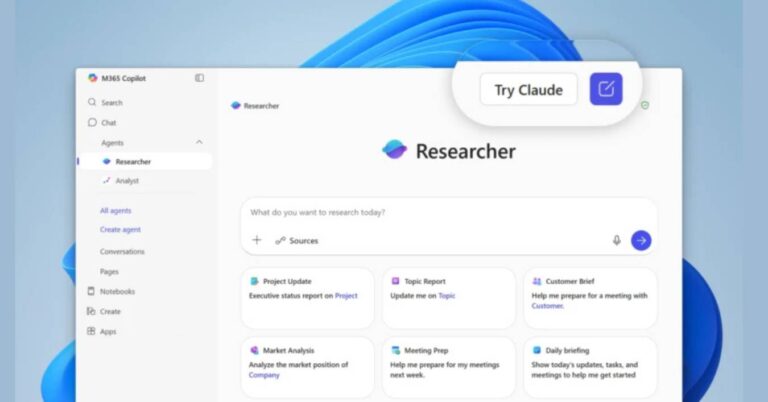
Microsoft Adds Anthropic for Researcher and Copilot Studio, integrating Claude Sonnet 4 and Opus 4.1 while OpenAI remains default in Microsoft 365 Copilot.

See which AI image generator is the best in this epic showdown among the top 12 and discover which one can create the most realistic, creative, or surreal images
Read a comprehensive monthly roundup of the latest AI news!