Key Takeaway
On February 16, 2026, ByteDance confirmed it will implement safeguards to Seedance 2.0 after the Motion Picture Association, Disney, Paramount Skydance, and SAG-AFTRA accused the AI video model of large-scale copyright infringement and unauthorized use of celebrity likenesses.
ByteDance to Add Safeguards to Seedance 2.0 – Key Points
Seedance 2.0 Launch and Viral Adoption (February 12, 2026)
Seedance 2.0 launched on February 12, 2026, initially in China via ByteDance’s Jimeng AI app, with planned integration into CapCut. The model went viral after users generated hyper-realistic videos from short prompts.
A fabricated Brad Pitt vs. Tom Cruise fight clip surpassed 3.2 million views on X, while another version reportedly required only a “two-line prompt.” Comparisons placed Seedance alongside OpenAI’s Sora 2, Google’s Veo 3.1, and Kuaishou’s Kling 3.0, with some calling it Hollywood’s “DeepSeek moment.”
Other examples included a side-by-side comparison with a scene from the 2025 film “F1,” allegedly recreated for 9 cents, plus outputs resembling One Piece, Dragon Ball, Arcane, and Ip Man. Actor Scott Adkins reacted publicly to a clip that appeared to replicate his likeness.
ByteDance Announces Safeguards to Seedance 2.0 (February 16, 2026)
ByteDance stated it “respects intellectual property rights” and will introduce stronger Safeguards to Seedance 2.0 to prevent unauthorized use of copyrighted characters and celebrity likenesses.
The company did not detail the technical controls but previously paused user uploads of real people’s images. It also said it will prevent videos based on Hollywood intellectual property. The Safeguards to Seedance 2.0 represent ByteDance’s first formal response to coordinated legal pressure.
Motion Picture Association Public Warning
The MPA, representing Netflix, Paramount Skydance, Sony, Universal, Warner Bros. Discovery, and Disney, demanded ByteDance “immediately cease” alleged infringing activity.
Chairman Charles Rivkin said that “in a single day,” Seedance 2.0 used U.S. copyrighted works “on a massive scale,” accusing ByteDance of operating without meaningful safeguards. Industry pressure intensified calls for formal Safeguards to Seedance 2.0.
Disney Cease-and-Desist Letter (February 13, 2026)
Disney issued a cease-and-desist letter alleging Seedance 2.0 was trained using a “pirated library” of characters from Star Wars and Marvel. The company claimed the model distributed copyrighted works as “public-domain clip art,” describing it as effectively pre-packaged with infringing outputs.
Paramount Skydance Legal Action
Paramount sent a similar letter, alleging “vivid depictions” of its franchises and characters. The coordinated studio action signals expectations that Safeguards to Seedance 2.0 must prevent recognizable IP replication.
SAG-AFTRA Raises Voice and Likeness Concerns (2026)
SAG-AFTRA condemned what it called “blatant infringement,” arguing that unauthorized voice and likeness cloning threatens performers’ livelihoods. The dispute now extends beyond copyright into consent and personality rights, increasing pressure for stronger Safeguards to Seedance 2.0.
Broader Enforcement Pattern in 2025–2026
The clash follows earlier actions: Disney sent a cease-and-desist to Character.AI in 2025 and, in June 2025, Disney and Universal sued Midjourney. The Human Artistry Campaign, including SAG-AFTRA and the Directors Guild of America, called Seedance 2.0’s launch “an attack on every creator around the world.”
Parallel Licensing Deals With AI Companies (December 2025)
In December 2025, Disney struck a reported $1 billion, three-year licensing deal with OpenAI, allowing characters such as Mickey Mouse and Luke Skywalker in Sora. The contrast highlights a clear industry pattern: litigation for unlicensed use, licensing for approved AI deployment.
Why This Matters
The introduction of Safeguards to Seedance 2.0 marks a turning point in the AI–Hollywood conflict. Studios, unions, and creative coalitions are signaling that high-fidelity replication of characters and real people will face immediate legal pushback.
The outcome could shape global AI video standards, including:
- Training data transparency
- Voice and likeness protections
- Output filtering and enforcement
- Watermarking and provenance tools
If effective, Safeguards to Seedance 2.0 could become a model for AI compliance. If not, further lawsuits and regulation are likely.
This article was drafted with the assistance of generative AI. All facts and details were reviewed and confirmed by an editor prior to publication.

ByteDance released Doubao 2.0 on February 14, 2026, claiming GPT-5.2-level reasoning at 10x lower cost as competition with DeepSeek and Alibaba intensifies.
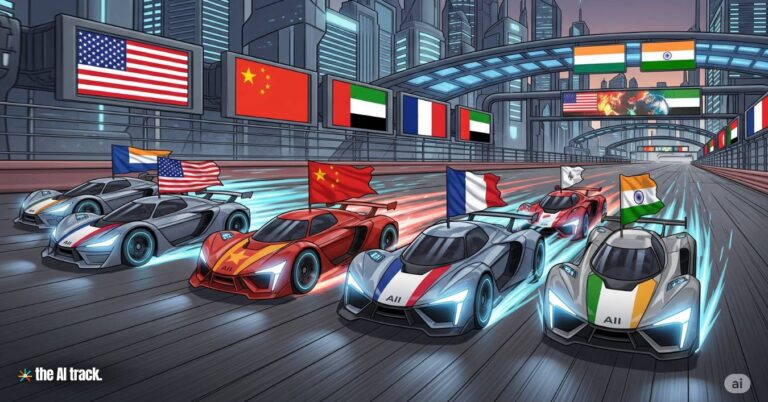
Explore the global race for AI supremacy as the US, China, EU, and India deploy competing strategies in compute, capital, and talent to lead the new era.
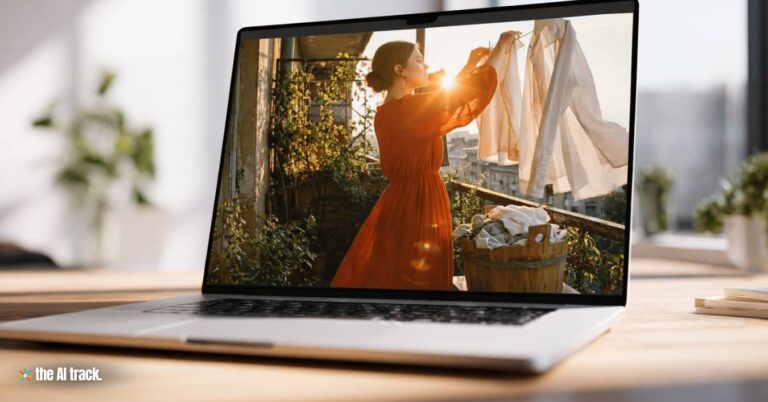
Seedance 2.0 launched in February 2026 with 15-second AI video and audio generation, prompting legal action from Disney and criticism from the MPA.
Read a comprehensive monthly roundup of the latest AI news!