MIT and Duke University researchers have applied machine learning to develop tougher plastics, enhancing polymer materials with new crosslinker molecules, specifically ferrocenes. This innovation strengthens plastics and has the potential to reduce plastic waste by increasing the durability of commonly used materials.
AI-Enhanced Method Develops Tougher Plastics – Key Points
Machine Learning for Polymer Strengthening:
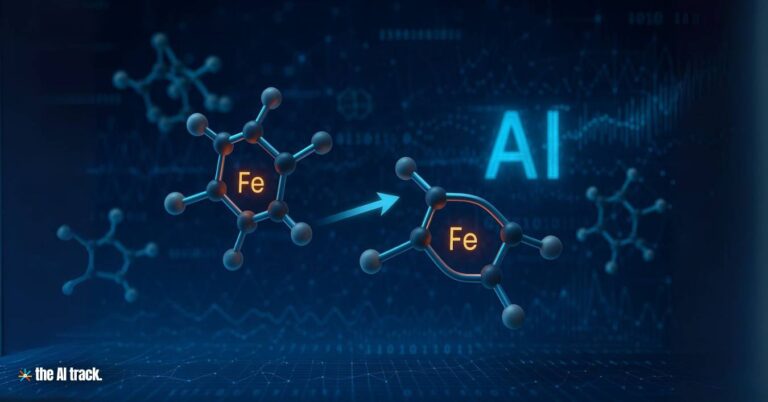
MIT and Duke researchers used machine learning to develop tougher plastics by focusing on mechanophores—molecules that respond to mechanical force. These molecules, including ferrocenes (iron-containing compounds), improve plastic resilience, making them more resistant to tearing and damage.
Exploring Ferrocenes as Mechanophores:
Ferrocenes are organometallic compounds with an iron atom between two carbon-containing rings. While these compounds had not been widely explored for their use in polymer materials, the research team recognized their potential as mechanophores. Using computational simulations, they analyzed a database of approximately 5,000 ferrocenes and found promising candidates for improving plastic strength.
Accelerating Discovery with AI:
Traditional methods to evaluate mechanophores can be slow, often taking weeks per compound. By applying a neural network, researchers accelerated the discovery process. AI predictions, trained on 400 ferrocenes, helped identify the tear resistance of 11,500 additional compounds, rapidly uncovering new candidates to create tougher plastics.
Testing New Crosslinker:
A promising compound, m-TMS-Fc, was synthesized and incorporated into a polyacrylate-based polymer. This polymer, containing the new crosslinker, was four times tougher than traditional plastics using standard ferrocene crosslinkers. The development of tougher plastics could significantly reduce plastic waste by making materials last longer and minimizing the need for new plastic production.
Surprising Molecular Discoveries:
A key discovery was the role of bulky molecules attached to the ferrocene rings, which unexpectedly enhanced the plastic’s resistance to tearing. This feature, which was not initially anticipated by chemists, was made possible by the AI’s analysis, showcasing the model’s ability to uncover insights beyond conventional chemical intuition.
Applications Beyond Plastics:
The AI model is not limited to polymers but could be used to identify mechanophores with additional functionalities. Researchers plan to explore mechanophores that change properties under mechanical stress, such as color-changing or catalytic behaviors. These could be applied to stress sensors, smart catalysts, or biomedical systems, such as drug delivery systems.
Why This Matters:
This breakthrough has the potential to reduce plastic waste significantly by making plastics more durable, thus extending their usable life. The use of AI in materials science not only accelerates research but also opens new avenues for applications in various industries, from consumer goods to biomedicine, contributing to sustainability and innovation.

A curated collection of the most recent AI breakthroughs in environment and environmental protection, addressing climate challenges and safeguarding wildlife.
Read a comprehensive monthly roundup of the latest AI news!