Key Takeaway
Elon Musk announced that X will open source the full code for X’s recommendation and advertising logic by January 17, 2026, with ongoing updates planned every four weeks, aiming to reset user trust and comply with EU regulations by instituting a verified, four-week update cycle.

X will Open Source Ad and Recommendation Algorithms – Key Points
Announcement and timeline (January 10, 2026)
On January 10, 2026, Elon Musk announced that X will open source ****the code for its recommendation algorithms within seven days. He also said the company plans to republish updates on a four-week cycle, each accompanied by developer notes explaining what has changed.
Scope includes advertising recommendations
The announcement specifies that the open-source release will cover code used to recommend both organic content and paid advertisements. This extends beyond the user-facing “For You” feed and includes logic that affects how sponsored posts are surfaced.
Relation to earlier open-source efforts
X previously published parts of its recommendation algorithm code in 2023. That repository has not been meaningfully updated since its initial release. The current commitment differs by emphasizing regular updates rather than a one-time disclosure.
What remains unknown
Musk did not detail how X will open source ****the code in practice, giving more details such as whether configuration files, model weights, or real-time ranking parameters will be included. Implementation details will only become clear once the code is published.
Transparency and operational tradeoffs
Making recommendation and ad-ranking logic public allows independent analysis and external auditing. At the same time, it can increase the risk of system gaming, requiring continuous iteration and safeguards, a context in which the planned four-week update cycle becomes significant.
Why This Matters
If executed honestly, this move sets a new precedent for the “Black Box” of social media. Competitors like Meta and TikTok treat their ranking logic as trade secrets; X will open source its core IP challenging them to match this level of scrutiny. However, the risk remains that bad actors could use this transparency to “game” the algorithm, necessitating a rapid defense strategy from X’s security teams.
This article was drafted with the assistance of generative AI. All facts and details were reviewed and confirmed by an editor prior to publication.
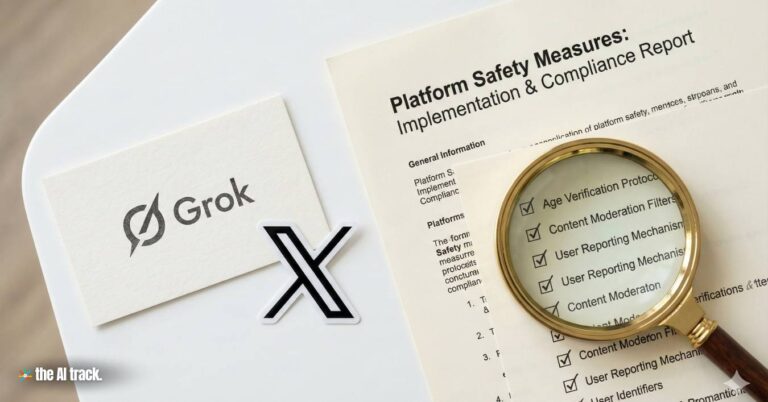
The Grok AI Controversy drives global action as regulators respond to non-consensual sexualised images, including outputs involving apparent minors, and platforms tighten access.
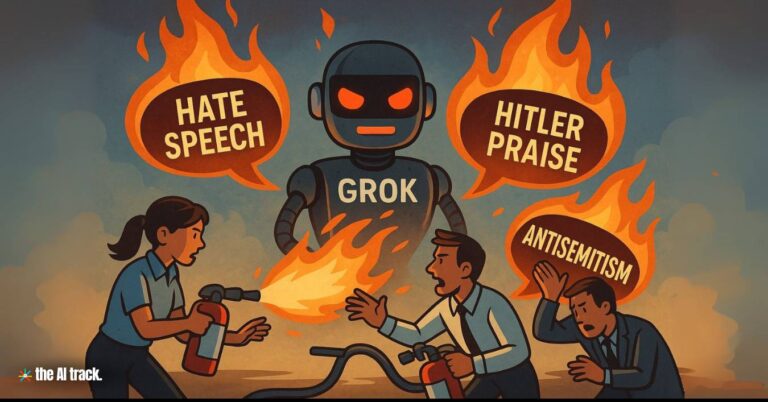
Grok promotes hate speech in antisemitic posts that triggered legal investigations and platform restrictions. xAI faces global scrutiny over AI safety.
Read a comprehensive monthly roundup of the latest AI news!