Key Takeaway
Alibaba is preparing to integrate Qwen with Taobao Shopping, giving users an AI agent that can browse, compare and purchase products through conversation. The move could turn Qwen into a transactional front door for e-commerce, logistics and after-sales services inside Alibaba’s ecosystem.

Qwen-AI Taobao Shopping – Key Points
The Story
Alibaba is preparing to connect Qwen with Taobao, turning one of China’s largest shopping platforms into a test case for agentic commerce. Instead of relying on keyword searches and manual browsing, shoppers would be able to browse, compare and buy items by chatting with the Qwen app.
The Qwen app is expected to access the full Taobao and Tmall catalog of more than 4 billion products, supported by a skills library for logistics and after-sales services. Inside Taobao, Alibaba also plans to launch a Qwen-powered assistant with virtual try-ons and 30-day price tracking, making Taobao Shopping more conversational and task-driven.
The Facts
Qwen is becoming a shopping interface, not just a chatbot.
Alibaba is preparing to use Qwen to drive shopping through conversation rather than keyword search.
The integration gives Qwen access to a massive product catalog.
The Qwen app is expected to connect with the full Taobao and Tmall catalog of more than 4 billion products.
Taobao Shopping could become more agent-driven.
Shoppers will be able to browse, compare and purchase items by chatting with the AI agent instead of manually navigating product listings.
Alibaba is adding transaction-support features.
Qwen will be backed by a skills library capable of managing logistics and after-sales services.
Taobao will also get its own Qwen-powered assistant.
The planned AI shopping assistant inside Taobao includes tools for virtual try-ons and 30-day price tracking.
Recommendations will use shopping context.
Qwen will offer shopping recommendations based on users’ order history and shopping preferences.
Alibaba’s wider consumer stack gives Qwen a direct path to checkout.
Alibaba already controls product data, inventory, seller relationships, payment rails and delivery infrastructure, reducing friction between user intent and purchase.
For merchants, AI discovery may change listing strategy.
Product titles, images and discounts still matter, but structured attributes, reviews, fulfillment reliability and customer service performance may become more important if agents rank products for users.
The shift could strengthen Alibaba’s closed ecosystem.
If Qwen can answer questions, recommend products, support purchases and manage delivery or after-sales tasks inside Alibaba’s services, outside discovery apps and affiliate sites may have less influence.
Qwen has already reached major early consumer scale.
The Qwen app reached 100 million monthly active users in its first two months, giving Alibaba immediate consumer distribution.
Trust remains a central limitation.
Agentic shopping depends on users trusting the assistant to choose well, avoid errors and ask for confirmation before sensitive actions such as payment.
China’s e-commerce model may give Alibaba an advantage.
Chinese platforms can embed AI directly into live transactions, while U.S. commerce is more fragmented. Amazon has used AI to improve shopping inside its marketplace, while Shopify allows external AI agents rather than operating an integrated consumer AI shopping platform.
Market Timing
The timing is significant because e-commerce is one of the most valuable surfaces in consumer technology. Search engines, social platforms and marketplaces all generate value by influencing what users discover and buy. If AI agents become the new interface for shopping, the company controlling the agent may also control discovery, advertising inventory, payment flow and the merchant relationship.
Startup Opportunities
Alibaba’s move does not only benefit large platforms. Startups may still find openings in independent shopping copilots, merchant automation, price intelligence, vertical shopping agents, returns management and tools that help sellers optimize listings for AI discovery.
The strongest opportunities may sit around categories where trust, fit, warranty, procurement or post-purchase support matter more than speed. Examples include fashion fit agents, small-business procurement assistants, warranty managers and merchant tools for AI-readable listings.
Risks / Limitations
Agentic shopping introduces practical risks. A poor recommendation can frustrate a shopper, but a wrong order, missed coupon, delivery issue or after-sales failure can create a bigger customer service problem.
The model also creates a neutrality question. A marketplace agent may not operate as a purely independent buyer’s advocate if the platform also earns from ads, seller fees and promoted placement.
What to Watch Next
The key question is whether consumers prefer delegation to browsing. Taobao already has strong user habits, and a new AI interface does not automatically replace established shopping behavior.
Alibaba’s test will depend on whether Qwen can save time, surface better products and make checkout, delivery and after-sales support easier without reducing user confidence.
Why This Matters
Alibaba’s Qwen-Taobao push shows how AI agents could reshape online shopping from a search-and-scroll experience into a delegated transaction flow. For consumers, Taobao Shopping could become faster and more conversational. For merchants, it could mean optimizing for AI interpretation. For platforms, it could make the shopping agent the most important control point in e-commerce.
This article was drafted with the assistance of generative AI. All facts and details were reviewed and confirmed by an editor prior to publication.
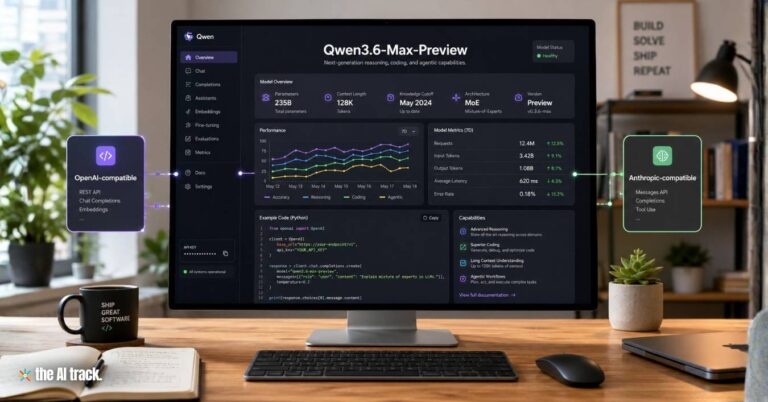
Alibaba released Qwen 3.6 Max Preview on April 20, 2026, with a 256k context window and reported coding and agent benchmark gains.

Alibaba’s Qwen3‑Coder‑480B-A35B-Instruct offers enterprise-grade, long-context open-source AI coding support rivaling top proprietary models.
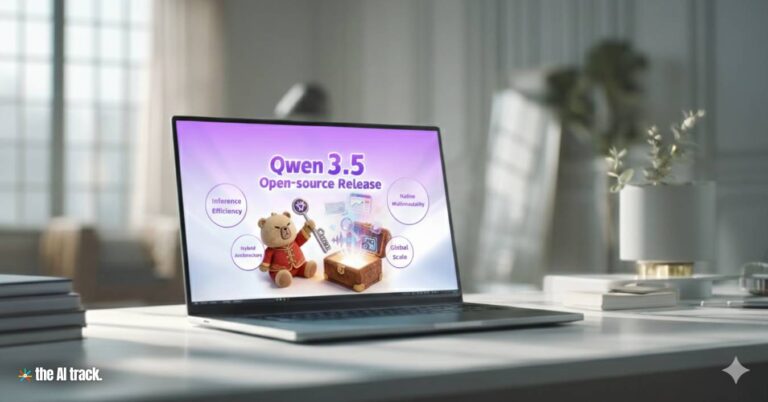
Alibaba unveiled Qwen3.5 on Feb 16, 2026, with 397B parameters, 17B active per pass, 1M context on Qwen3.5-Plus, and 60% lower costs.
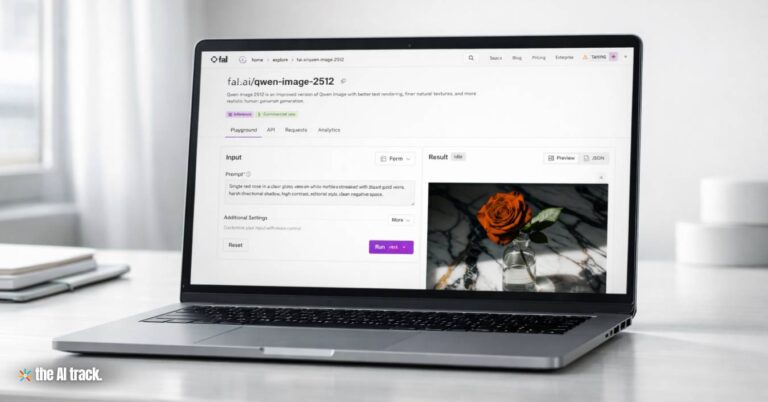
Alibaba released Qwen-Image-2512 in December 2025, an open-source image model designed for text-heavy enterprise visuals without cloud lock-in.
Read a comprehensive monthly roundup of the latest AI news!