Disney and Universal have filed a landmark copyright lawsuit against AI image generator Midjourney, accusing the company of unauthorized use of copyrighted characters to train its model and generate derivative images. This is the first major case by top Hollywood studios addressing copyright infringement in AI-generated visual and video content, setting the stage for broader legal battles over AI training practices and IP protections.
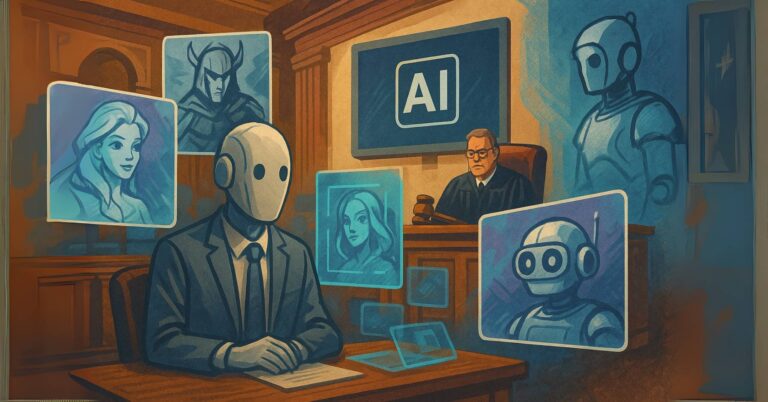
Disney and Universal vs Midjourney – Key Points
Historic Legal Action by Hollywood Studios:
On June 11, 2025, Disney and Universal filed a federal lawsuit in Los Angeles against Midjourney. It represents the first major copyright case from top film studios challenging a generative AI company, broadening the scope of prior lawsuits which mostly focused on AI-generated text or music.
Alleged Infringement of Iconic Characters:
The lawsuit cites numerous unauthorized reproductions of major characters: Darth Vader, Yoda, Elsa, Spiderman, Iron Man, Hulk, Buzz Lightyear, Bart Simpson, Ariel, Minions, Shrek, Toothless (How to Train Your Dragon), and Po (Kung Fu Panda). These AI-generated visuals are claimed to be near-literal copies and not transformative.
Midjourney’s Training Practices and Data Scraping:
Disney and Universal accuse Midjourney of pirating their content libraries to train its model. In past interviews, CEO David Holz admitted to conducting “a big scrape of the Internet” to build the company’s dataset. Holz also suggested that AI learning is akin to how artists learn by observing others, downplaying the notion of infringement. He also acknowledged the impracticality of verifying the copyright status of hundreds of millions of scraped images.
Ongoing and Precedent Lawsuits:
The complaint joins a broader wave of legal action against AI firms. In a prior 2023 ruling, a California judge allowed a separate case by 10 artists against Midjourney and others to proceed, recognizing plausible copyright infringement in how their work was stored and used for AI training. Other ongoing lawsuits involve Getty vs. Stability AI in the UK, the New York Times vs. OpenAI and Microsoft, and authors vs. Meta over LLaMA training.
Revenue, Scale, and Product Expansion:
Midjourney, founded in 2021, is based in San Francisco with fewer than a dozen full-time staff. The service, monetized via subscriptions, reportedly generated $300 million in 2024 and now boasts 21 million users. The studios claim it is preparing a video-generation product, which could extend the infringement beyond still images.
Studios’ Cease-and-Desist Requests Ignored:
Disney and Universal previously asked Midjourney to cease reproducing their IP and implement technological measures to prevent further violations. While Midjourney already filters out certain categories (e.g., nudity), the studios allege it refused to do the same for copyrighted material—even as it continued to release higher-quality versions of the image generator.
Statements from Legal and Industry Leaders:
Disney’s Chief Legal Officer Horacio Gutierrez reiterated the company’s support for AI innovation—but only when used responsibly: “Piracy is piracy.” NBCUniversal’s General Counsel Kim Harris emphasized the need to protect the artists whose work fuels their storytelling. The Motion Picture Association and the RIAA both backed the suit, calling it essential for safeguarding human creativity and securing the industry’s future.
Midjourney’s Public Position:
In a recent user Q&A, CEO Holz responded vaguely when asked about the lawsuit’s impact, saying, “I think Midjourney is going to be around for a very long time.” He has consistently argued that AI models, like humans, learn through observation and reinterpretation of prior content—a justification studios reject as an oversimplification of copyright obligations.
AI’s Expanding Role in Entertainment:
Despite the legal tensions, AI is already integrated into Hollywood workflows—from de-aging actors like Tom Hanks and Harrison Ford to voice alterations in Oscar-nominated films like Emilia Perez and The Brutalist. Studios are grappling with how to embrace AI’s efficiency while protecting legacy IP and creative labor.
Growing Legal and Industry Tension Over Training Data:
The Midjourney lawsuit reflects a growing divide between AI companies’ reliance on “fair use” to justify scraping copyrighted materials and creators’ demands for consent or compensation. While some tech firms are beginning to strike licensing deals, many continue to train their models on unlicensed content—fueling a global surge in lawsuits from authors, musicians, and publishers.
Why This Matters:
The case represents a pivotal escalation in the legal reckoning over AI’s use of copyrighted material. If Disney and Universal succeed, it could establish mandatory content licensing, push courts to clarify “transformative use” standards, and reshape the economic structure of AI development. The outcome may also accelerate regulatory efforts around transparency in model training and force companies like Midjourney to adopt IP-aware filters. As AI moves deeper into video, music, and publishing, this case could become a foundational legal reference for balancing innovation with creative ownership.
AI is transforming the legal profession by automating tasks, enhancing efficiency, creating new roles. Everything you need to know
Read a comprehensive monthly roundup of the latest AI news!
The AI Track News: In-Depth And Concise
Lorem ipsum dolor sit amet, consectetur adipiscing elit. Ut elit tellus, luctus nec ullamcorper mattis, pulvinar dapibus leo.