
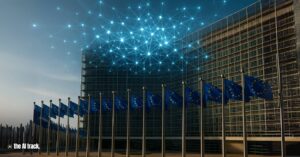
EU Launches “Apply AI Strategy”: A €1B Bid to Break Free from U.S. and China
The European Commission will launch the “Apply AI Strategy” on October 7, allocating €1B to strengthen European AI in healthcare, defense, and industry.
The European Commission will launch the “Apply AI Strategy” on October 7, allocating €1B to strengthen European AI in healthcare, defense, and industry.

DeepSeek-R1-Safe debuted at Huawei Connect 2025 as China’s first thousand-card AI model, outperforming domestic peers while preserving task performance.

Anthropic will pay $1.5B and delete pirated works in a landmark AI settlement, reshaping copyright law and raising standards for training data.

26 tech firms signed the EU’s GPAI Code to align with the AI Act, now enforceable. Meta refused to sign, and Belgium opposed the Code, demanding stronger creator protections. Google backed the Code despite warning of innovation risks and legal uncertainty.
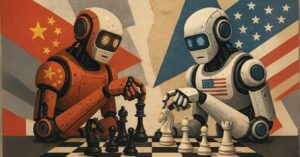
China’s new international AI cooperation organization, launched at WAIC 2025, aims to align AI development, ethics, and access under a shared governance model. The move opposes the US deregulation strategy and expands China’s influence across the Global South.
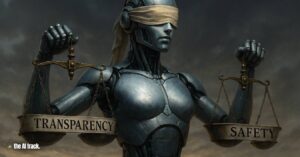
The EU AI regulation and DSA demand risk assessments and compliance from digital platforms and AI model providers, setting global benchmarks in rights, safety, and transparency.
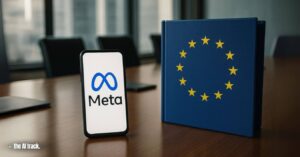
Meta declined to sign EU AI Code, becoming the first major AI firm to reject it. The decision highlights rising friction ahead of the 2 August deadline.

Grip, co-led by the UAE and WEF, offers a collaborative platform for designing future-ready regulation. Deliverables include a policy playbook, readiness index, and global pilot hub.

EU complaint accuses Google of misusing publisher content for AI Overviews and LLM training without consent, harming traffic, competition, and press access.