
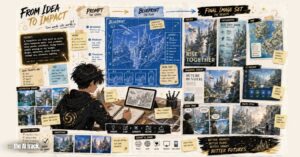
OpenAI Releases ChatGPT Images 2.0 With Visual Reasoning
OpenAI launched ChatGPT Images 2.0 on April 21, adding reasoning before generation, multilingual text, real-time information, broader aspect ratios, and up to eight images from one prompt.
OpenAI launched ChatGPT Images 2.0 on April 21, adding reasoning before generation, multilingual text, real-time information, broader aspect ratios, and up to eight images from one prompt.
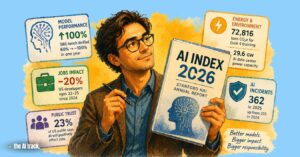
Stanford HAI 2026 AI Index shows AI advancing quickly in reasoning, coding, science, and adoption, while public anxiety and labor disruption intensify.

ByteDance released Seedance 2.0 in February 2026, enabling multimodal AI video generation with audio. Hollywood groups including the Motion Picture Association and SAG-AFTRA condemned the model over copyright concerns.

MiniMax unveiled M2.5 and M2.5-Lightning AI models that approach frontier coding performance while sharply lowering costs, with OpenHands adding external support for long-run agent use.

Moltbook is an AI-only social platform where agents post, moderate, and form subcommunities at scale, while OpenClaw growth intensifies security and governance scrutiny.

IMF chief Kristalina Georgieva warns that AI is hitting entry-level jobs first. This article examines her claims against verified labor-market data, showing where the evidence supports the warning, and where its limits lie.
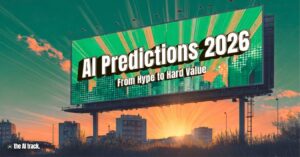
AI predictions 2026 shift the conversation from hype to outcomes. This guide covers 12 evidence-backed trends, from mission-critical workflows and agent governance to wearables, data scarcity, chip geopolitics, robotics, scientific breakthroughs, and the rising cost of trust.

AI faith tools are redefining spirituality across Hinduism, Christianity, Islam, Judaism, and Buddhism, balancing accessibility with ethical risks.
Alibaba’s Qwen 2.5 is a cutting-edge AI model designed to compete with industry leaders like GPT-4o and DeepSeek-V3. This guide provides a detailed overview of its features, performance, and practical tips for users.
