Key Takeaway
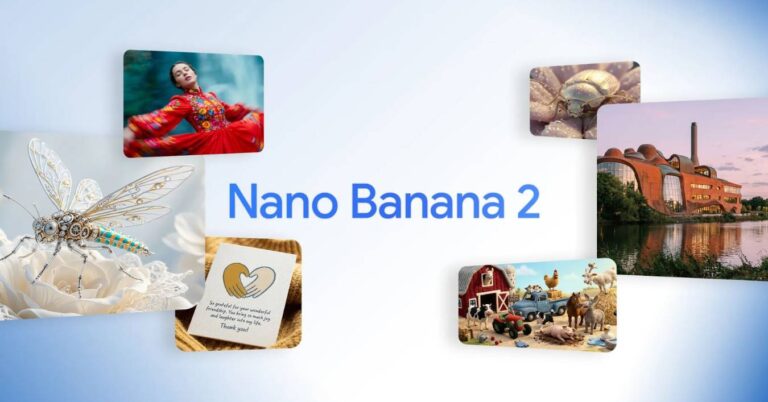
Google has released Nano Banana 2, officially named Gemini 3.1 Flash Image, upgrading its viral AI image generator with faster output, stronger world knowledge, improved text rendering and real-time grounding from Gemini and web search.
Google Launches Nano Banana 2 – Key Points
The Story
Google on Thursday rolled out Nano Banana 2, the successor to its AI image generator first launched in August 2025. Officially called Gemini 3.1 Flash Image, the model integrates Gemini’s knowledge base with real-time information and images from web search to improve rendering accuracy. It replaces the original Nano Banana across Gemini’s Fast, Thinking and Pro tiers, while Nano Banana Pro remains available for high-fidelity tasks requiring maximum factual accuracy.
The Facts
Official name and immediate rollout
Nano Banana 2 is officially Gemini 3.1 Flash Image and is rolling out across Google and Gemini AI tools.
Origins and prior versions
The original Nano Banana launched in August 2025 as Gemini 2.5 Flash Image and gained viral traction on AI leaderboards. Nano Banana Pro followed in November, built on Gemini 3 Pro.
Real-time web grounding and advanced world knowledge
Google says the model pulls from Gemini’s real-world knowledge base and uses real-time information and images from web search to more accurately render specific subjects.
Improved speed and instruction following
Faster generation and more precise adherence to prompts remain core improvements over the original model.
More accurate text rendering and translation
Google says Nano Banana 2 delivers clearer text within images and improved translation, supporting multilingual visuals and text-heavy designs.
Infographics, diagrams and data visualizations
The model can generate structured visuals such as DIY-style educational infographics, cloud comparison triptychs and diagrammatic explanations, reflecting stronger layout and process understanding.
Style range and visual control
Example prompts demonstrate the ability to render in distinct styles, including Synthetic Cubism, high-contrast comic layouts, moody cinematic landscapes and bold, graphic fashion imagery in 16:9 formats.
Character and identity consistency across outputs
Google highlights consistent identity retention across multiple images, including multi-character scenes and serialized six-part visual stories where attire and identity remain stable while expressions and angles vary.
Strength in image editing and contextual localization
The model supports contextual adaptation, such as localizing signage concepts to an Indian setting and translating text into Hindi.
Integration across Google products
Nano Banana 2 is available in the Gemini app and across Google Search, AI Studio, Gemini API, Google Antigravity, Google Cloud, Google Flow and Google Ads.
Access and usage tiers
Free users receive limited generations, while paid and enterprise users have broader access.
Competitive and legal landscape
AI image and video tools are surging in popularity. OpenAI launched Sora in 2024, and Adobe has expanded Firefly integration. At the same time, creative companies have raised copyright concerns, and ByteDance has faced backlash from studios including Disney and Paramount over its AI video tool Seedance.
Why This Matters
Nano Banana 2 adds real-time grounding (information and images from web search) and expands what Google says the model can produce, including infographics, diagrams and data visualizations, alongside improved text rendering and translation. Google is also rolling it out broadly across Gemini and multiple Google surfaces (including Search, AI Studio, Gemini API, Cloud and Ads) with limited generations for free users and wider access for paid and enterprise tiers, while keeping Nano Banana Pro available for high-fidelity tasks requiring maximum factual accuracy.
This article was drafted with the assistance of generative AI. All facts and details were reviewed and confirmed by an editor prior to publication.
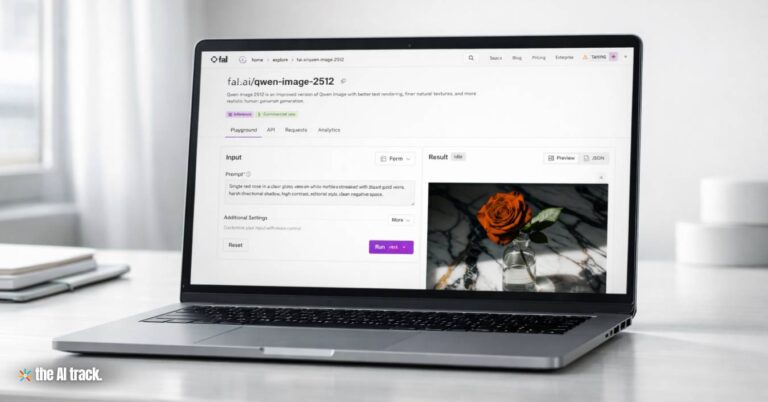
Alibaba released Qwen-Image-2512 in December 2025, an open-source image model designed for text-heavy enterprise visuals without cloud lock-in.
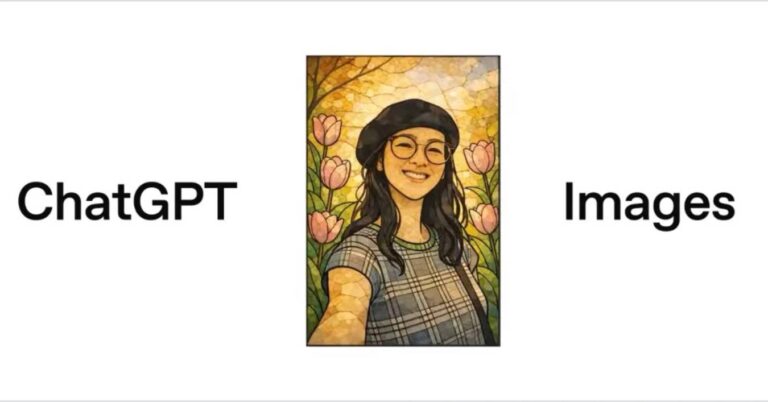
OpenAI released GPT Image 1.5 with four-times-faster generation, consistent edits, improved text rendering, 20% cheaper image I/O, and rapid LMArena gains.
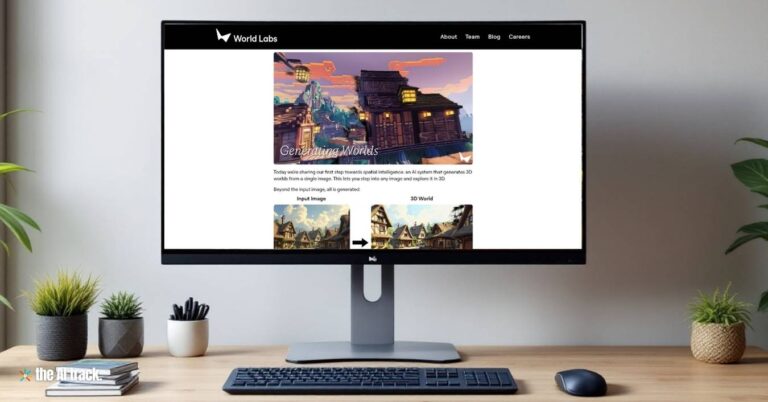
Discover how World Labs’ AI transforms single images into interactive, immersive 3D worlds, changing the future of content creation.
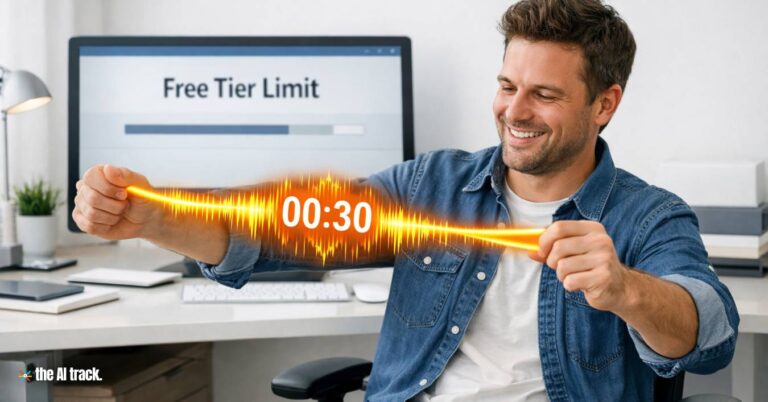
ProducerAI joins Google Labs as Google expands Lyria 3 music creation in Gemini, starting with 30-second tracks and SynthID watermarking.
Read a comprehensive monthly roundup of the latest AI news!