Key Takeaway
Anthropic has launched Claude Design, a new AI product in research preview that lets paid Claude users turn prompts into visual assets and interactive prototypes. The release pushes Anthropic further beyond foundation models and into design, presentation, and product workflow software.

Anthropic Launches Claude Design – Key Points
The Story
Anthropic has introduced Claude Design, a new tool from Anthropic Labs for creating designs, prototypes, slide decks, one-pagers, and marketing materials through conversational prompts and editing controls. The product is powered by Claude Opus 4.7 and is rolling out to Claude Pro, Max, Team, and Enterprise subscribers. Anthropic says the tool is built for both experienced designers and people without formal design training, including founders, product managers, marketers, and account executives. The launch deepens Anthropic’s push into workplace software and connects design generation more directly to Claude Code.
The Facts
Claude Design is available in research preview for paid Claude subscribers.
Anthropic launched the product through Anthropic Labs and said access is rolling out to Pro, Max, Team, and Enterprise users gradually.
The tool is designed to turn prompts into polished visual work.
Anthropic says Claude Design can create designs, interactive prototypes, slide decks, one-pagers, and marketing collateral from natural-language requests.
Editing happens through multiple control methods.
Users can refine outputs through chat, inline comments, direct text edits, and custom sliders generated by Claude for spacing, color, and layout changes.
Claude Design can build a reusable design system for a team.
Anthropic says the tool can read a company’s codebase and design files during onboarding and create a design system with colors, typography, and components that carry across projects. Teams can refine the system and maintain more than one.
Users can start from several input types.
The product supports text prompts, uploaded images and documents including DOCX, PPTX, and XLSX files, codebase inputs, and a web capture tool that pulls elements from a live website.
The product supports organization sharing and collaborative editing.
Designs can stay private, be shared by link inside an organization, or be opened for edit access so colleagues can modify the design and chat with Claude together.
Anthropic is linking design generation directly to coding.
When a design is ready, Claude Design can package a handoff bundle for Claude Code, creating a workflow from idea to prototype to production code.
Exports go beyond Anthropic tools.
Users can share designs by internal URL, save them as folders, or export them to Canva, PDF, PPTX, and standalone HTML. Anthropic says designs sent to Canva become fully editable and collaborative there.
Anthropic is positioning the product for both non-designers and design teams.
The company says Claude Design is meant to help people without design backgrounds turn ideas into visual work quickly while also giving designers room to explore more directions.
Anthropic highlighted several early use cases.
The company says teams are using Claude Design for realistic interactive prototypes, wireframes, mockups, design explorations, pitch decks, presentations, marketing collateral, and code-powered prototypes with voice, video, shaders, 3D, and built-in AI.
Anthropic presented early customer examples focused on speed.
Brilliant said complex pages that took 20 or more prompts in competing tools needed only 2 in Claude Design. Datadog said work that had taken a week of briefs, mockups, and review rounds could be compressed into a single conversation.
The launch increases competitive pressure on design software companies.
Claude Design overlaps with products associated with Figma, Adobe, and Canva, especially because it targets users who can generate prototypes from natural language without traditional design tooling. Gizmodo reported that Figma stock fell about 7% after the announcement.
How to Access / Pricing
Claude Design is included in Claude Pro, Max, Team, and Enterprise plans at no additional cost, using normal subscription limits. Anthropic says users can continue beyond those limits by enabling extra usage. For Enterprise organizations, Claude Design is off by default and must be enabled by admins.
Timeline
Anthropic released Claude Design and Claude Opus 4.7 on the same day. The launch came shortly after Mike Krieger stepped down from Figma’s board on April 14 and two months after Figma introduced Code to Canvas, a feature that turns code from tools such as Claude Code into editable Figma designs. Anthropic also said it plans to make it easier over the coming weeks to build integrations with more external tools.
Background
Claude Design extends Anthropic’s broader push into workplace and enterprise software. In recent months, the company has also introduced Claude Cowork and agentic plug-ins for Cowork, expanding beyond model access into higher-level tools for everyday work. At the same time, Anthropic has been linked to major growth and funding discussions, including reports of investor offers that could value the company at $800 billion or more.
Why This Matters
Claude Design matters because it shows Anthropic moving into a software layer where design, prototyping, presentations, and coding increasingly connect. That could make visual product creation more accessible to non-designers while also increasing pressure on established design platforms and strengthening Anthropic’s broader workplace AI ecosystem.
This article was drafted with the assistance of generative AI. All facts and details were reviewed and confirmed by an editor prior to publication.
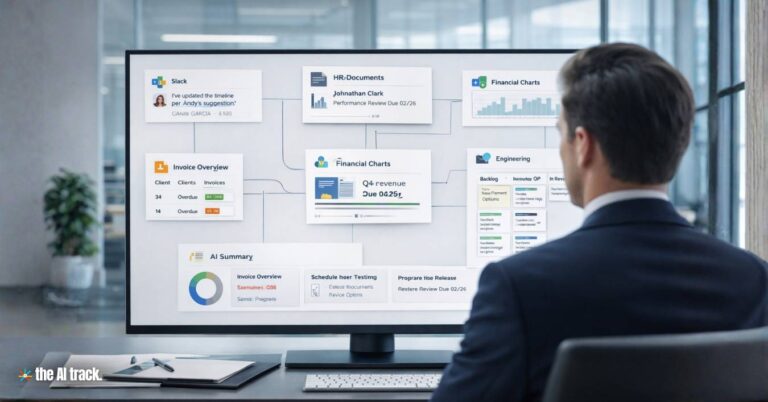
Anthropic expands Enterprise AI Agents across finance, HR, and engineering as software stocks rebound and SaaS disruption fears ease.

Anthropic says Mythos Preview can exploit critical vulnerabilities and remains withheld from public release over cyber and safety risks.

The Anthropic Defense Department lawsuit widened after Microsoft, rival AI researchers, retired military leaders, and rights groups backed the case.
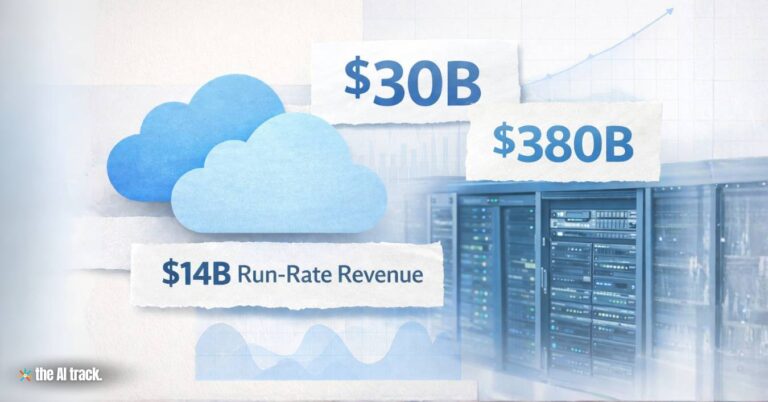
Anthropic Series G funding reached $30B at a $380B AI valuation, reporting $14B run-rate revenue and rapid enterprise AI adoption.
Read a comprehensive monthly roundup of the latest AI news!