

Microsoft Launches MAI-Thinking-1 Reasoning Model in Push for AI Independence
Microsoft introduced MAI-Thinking-1 and a wider family of in-house AI models as it reduces strategic dependence on OpenAI and builds a broader AI stack.
Microsoft introduced MAI-Thinking-1 and a wider family of in-house AI models as it reduces strategic dependence on OpenAI and builds a broader AI stack.
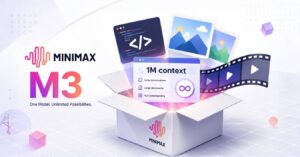
MiniMax M3 is an open-weight AI model for coding, agents, multimodal input, and 1M-token context, with early benchmark claims.
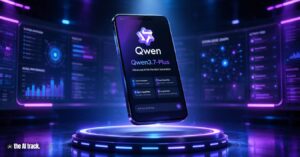
Alibaba has launched Qwen3.7-Plus, a multimodal AI model for vision, video, reasoning, tool use, coding, and autonomous workflow support.

Rosalind Biodefense gives vetted developers and selected public-health partners controlled access to GPT-Rosalind for pandemic preparedness.

Claude Opus 4.8 is Anthropic’s latest flagship model, adding improved reasoning, agentic coding, effort control, dynamic workflows, cheaper fast mode, and top Artificial Analysis benchmark results.
Google Gemini Omni Flash brings multimodal AI video generation and conversational editing to Gemini, Flow, YouTube Shorts, and YouTube Create, with avatar tools, SynthID watermarking, C2PA verification, Flow credit costs, and visible reliability limits.
Google I/O 2026 focused on Gemini as an agentic AI layer across Search, Chrome, Android, Workspace, YouTube, shopping, developer tools, cars, science and smart glasses.
Alibaba has introduced Qwen3.7-Max, the Zhenwu M890 AI chip, and the Panjiu AL128 server as part of its push to build a full-stack AI infrastructure platform for agentic workloads.

Thinking Machines has previewed Interaction Models for near-real-time voice, video and text AI, built to listen, speak, see and use tools simultaneously.